Why is my roof leaking around the chimney flashing
Water stains near your chimney? Learn why chimney flashing fails in Alameda's salt air and winter rains, what repairs cost in 2026, and when to call a pro.
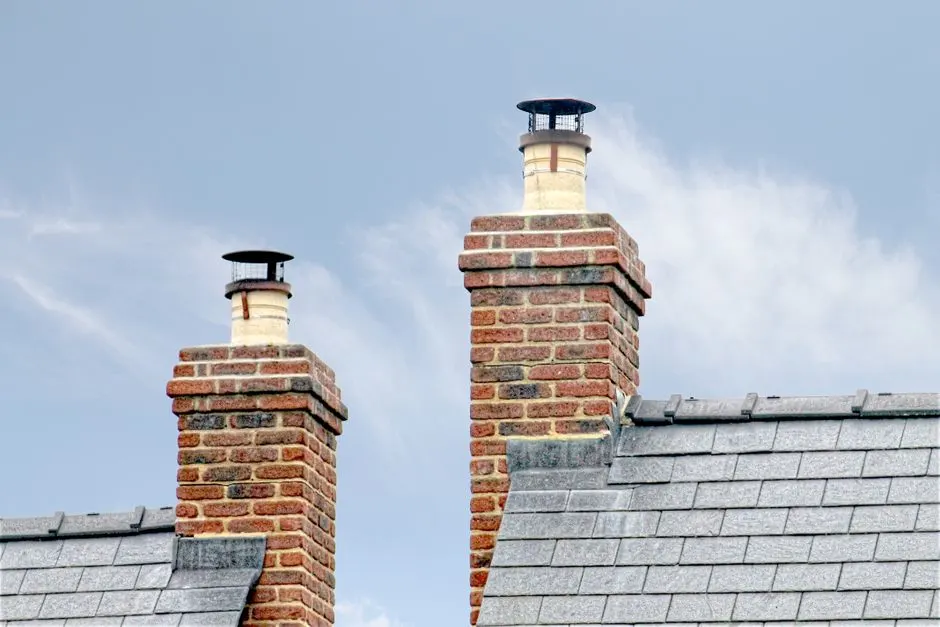
Your roof is leaking around the chimney flashing because the metal that seals the gap between the chimney and the roof has pulled away, rusted through, or was installed without the step-and-counter-flashing layers that shed water. In Alameda, that failure happens faster than most homeowners expect: salt air corrodes fasteners, and the 20-plus inches of rain we get between November and March finds every lifted edge.
Chimney flashing leak repair in Alameda is one of the most common jobs we run, and it is almost never the chimney masonry itself. Below we cover the specific failure modes we see here, how to confirm the flashing is the culprit, what repairs cost in 2026, and when it is time to stop caulking and call a pro.
The short answer: flashing fails before the roof does
Chimney flashing is the layered metal system-base flashing, step flashing, counter-flashing, and a cap-that directs water around the chimney penetration instead of letting it run down the masonry and into the attic. It is the first thing to fail on most Alameda roofs because it is made of thin metal, it moves with every temperature swing, and it sits in the path of every storm.
When a roof leaks around the chimney flashing, the water rarely enters where you see the stain. It enters at a lifted seam or a failed sealant joint on the roof, runs along the framing, and shows up on the ceiling a few feet away. That is why guessing at the leak from inside the attic usually wastes a weekend.
If you want the full picture of how we diagnose and fix these, our roof leak repair Alameda CA service page walks through the process. For the why, keep reading.
Why chimney flashing leaks in Alameda, California
Chimney flashing leaks in Alameda, California, are driven by four local conditions: salt-laden air, older housing stock, seismic movement, and a rainy season that concentrates a year of weather into five months. Each one attacks the flashing differently.
Salt air and corrosion
Alameda sits on an island in San Francisco Bay, and the marine layer carries salt onto every roof. Galvanized fasteners and cheap aluminum flashing pit and corrode here in five to eight years. Once a fastener head corrodes, the flashing lifts, and the next storm does the rest. We replace corroded fasteners with stainless or copper on nearly every chimney job we run near the shoreline.
Older homes and layered roofs
Much of Alameda's housing was built between 1900 and 1950, and many of those roofs have been re-roofed two or three times. Each new layer raises the roof plane, but the chimney stays where it is. The flashing has to bridge a taller gap, and often it was never rebuilt to match. We see this constantly in the Gold Coast and East End neighborhoods, where original chimneys meet newer composition shingles.
Seismic movement
The Bay Area moves. A chimney is a rigid masonry column attached to a flexible wood-framed roof, and the joint between them works loose over time. Hairline gaps open at the counter-flashing, and water goes straight in. This is a slow failure-no single event, just years of small movement.
Winter rain concentration
Alameda averages about 22 inches of rain a year, and most of it falls from November through March. A flashing joint that stays dry nine months of the year gets tested daily in January. That is why so many homeowners call us in the first big storm of the season-the leak was there all summer, but nothing revealed it.
How to tell it's the flashing and not the chimney itself
You can usually tell a flashing leak from a chimney leak by where the water shows up and when. Flashing leaks track along the roof framing and appear on ceilings or walls near the chimney chase. Chimney masonry leaks show up as damp patches on the chimney breast itself or as white efflorescence on the brick.
Here is the quick check we run on the first visit:
- Look at the ceiling stain. A stain within 3 to 6 feet of the chimney chase, especially on a wall, points to flashing.
- Check the attic after a rain. Water tracks on the chimney framing or stained sheathing near the penetration mean the flashing is the entry point.
- Inspect the flashing from the roof. Lifted step flashing, missing counter-flashing, cracked sealant, or rusted nails are all flashing failures.
- Look at the brick. Efflorescence, spalling, or damp mortar joints suggest the chimney itself is absorbing water, which is a different repair.
If you are not sure which one you have, a roof leak detection Alameda CA visit settles it fast. We use moisture meters and, on flat or low-slope sections, infrared imaging to trace the water path without tearing into the ceiling.
Chimney flashing leak repair cost in Alameda
Typical 2026 pricing for chimney flashing leak repair in Alameda runs $450 to $1,200 for a standard residential chimney, with most jobs landing around $650 to $850. The range depends on access, roof pitch, whether the counter-flashing has to be cut into the masonry, and whether the repair is a reseal or a full flashing rebuild.
Here is how the numbers break down:
- Reseal and fastener replacement: $450-$650. Appropriate when the metal is sound but the sealant and fasteners have failed.
- Partial flashing rebuild: $650-$950. New step flashing and counter-flashing on one or two sides of the chimney.
- Full flashing rebuild with masonry cut-in: $950-$1,200. The counter-flashing is cut into the brick and sealed, which is the repair that lasts.
- Chimney cap or crown repair, if needed: add $250-$600.
Those prices assume a one-story or two-story home with reasonable roof access. Steep pitches, tile roofs, and chimneys that require scaffolding push the number up. We give you the price before we start, and we do not add line items mid-job.
For a broader look at what flashing work costs across the roof, see our roof flashing repair Alameda CA page.
How long chimney flashing repair takes
Most chimney flashing repairs take two to four hours on site, and we usually finish in a single visit. A reseal is closer to two hours. A full rebuild with masonry cut-in runs three to four hours, plus cure time for the sealant before the next rain.
Two things stretch the timeline: roof access and weather. If we need to set up scaffolding or work around a steep pitch, add an hour. If rain is in the forecast, we schedule the repair for a dry window and come back to test it. We do not leave a flashing repair untested-we run water on it before we pack up.
If the leak is active and you cannot wait for a scheduled slot, our emergency roof leak repair Alameda CA team handles same-day calls, including temporary sealing to stop the damage until the permanent repair.
Common mistakes we see on Alameda roofs
The most common mistake on Alameda roofs is treating chimney flashing with a tube of sealant and calling it fixed. Sealant is a maintenance item, not a repair. It cracks in 12 to 24 months under our UV and temperature swings, and the leak comes back-usually bigger, because the water has been working behind the caulk.
Other mistakes we fix regularly:
- Caulking over failed step flashing. The metal underneath is still rusted and lifted. The caulk hides it for one season.
- Skipping the counter-flashing cut-in. Surface-mounted counter-flashing relies on sealant alone. It needs to be cut into the masonry and sealed to last.
- Mismatched metals. Aluminum flashing against copper or treated lumber corrodes fast in salt air. We match metals and use isolation tape where they meet.
- Sealing the weep holes. Some chimneys have weep holes that must stay open. Caulking them traps water in the masonry.
- Re-roofing over old flashing. If the flashing is not replaced when the roof is, you inherit the old failure.
If you have already tried the sealant route and the leak is back, that is the signal to stop. Chimney flashing sealant in Alameda CA has a place-we use it-but only on sound metal as part of a proper repair.
When to call a professional
Call a professional when water is showing up inside the house, when the flashing is lifted or rusted, or when you have already sealed it once and the leak returned. Those three situations mean the repair has moved past maintenance and into rebuilding the flashing system.
We handle chimney flashing leak repair in Alameda California as a core service, and we see the same failures across the island-older homes, salt air, and flashing that was never rebuilt to match a newer roof. If you want a straight answer on whether it is the flashing or the chimney, we will tell you on the first visit. You can also read more about how we handle chimney flashing leak repair Alameda CA before you call.
One more thing: do not wait for the next storm. A flashing leak that drips a little in November is a ceiling repair and a flashing repair by January. The earlier we get to it, the smaller the bill.
Frequently Asked Questions
Why is my roof leaking around the chimney flashing in Alameda?
The flashing has failed-usually lifted step flashing, corroded fasteners, or cracked sealant. Alameda's salt air and winter rain accelerate that failure, and older homes with re-roofed layers put more stress on the flashing joint.
Can I fix chimney flashing myself in Alameda CA?
You can reseal sound flashing, but a real repair means rebuilding the step and counter-flashing, which requires roof access, metal work, and masonry cut-in. Most homeowners should not attempt it on a two-story or steep roof.
How much does chimney flashing repair cost in Alameda?
Expect $450 to $1,200 in 2026, with most jobs around $650 to $850. A reseal is at the low end; a full rebuild with counter-flashing cut into the masonry is at the high end.
Who does chimney flashing leak repair near me in Alameda?
Alameda Roof Leak Repair Pros handles chimney flashing leak repair across the island, including same-day emergency calls. We diagnose the leak, rebuild the flashing, and water-test it before we leave.
How long does chimney flashing repair take in Alameda CA?
Most repairs take two to four hours on site and finish in one visit. A reseal runs about two hours; a full rebuild with masonry cut-in runs three to four hours, plus sealant cure time.
Get help with roof leak repair in Alameda
If your ceiling is staining near the chimney, we can stop it before the next storm. We find the leak, rebuild the flashing, and test it before we leave.
Call Alameda Roof Leak Repair Pros at +1 (510) 521-7543 to schedule your chimney flashing inspection.