How to prepare your Alameda roof for the rainy season
A practical, Alameda-specific guide to getting your roof ready before the first real storm: what to inspect, what it costs, and the mistakes that cause leaks.
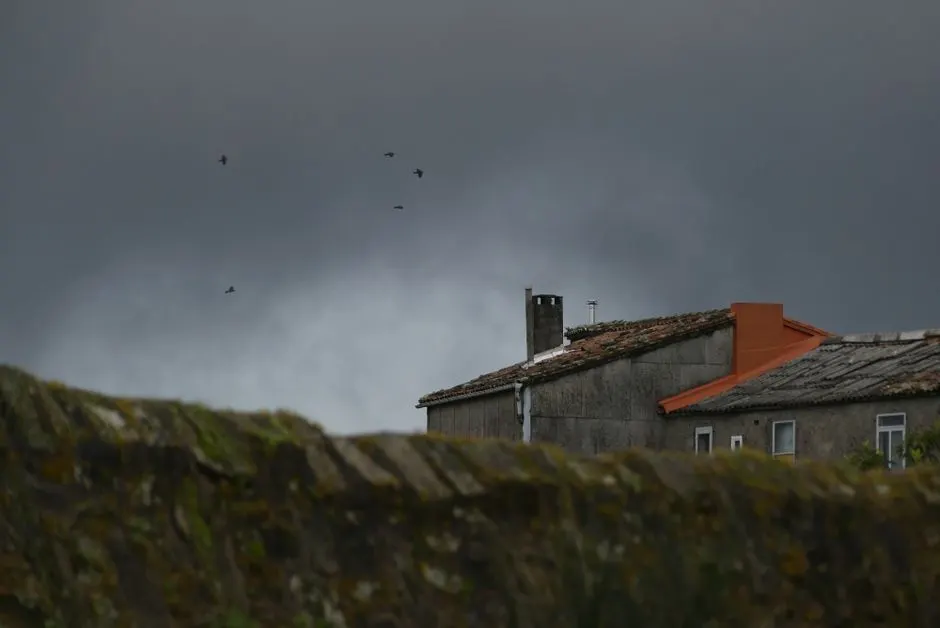
You prepare an Alameda roof for the rainy season by clearing every drainage path, sealing the penetrations and flashing that fail first, and fixing existing damage before the first storm - ideally between late September and early November. That window matters here because Alameda gets most of its rain between November and March, and a small gap in a roof boot or valley flashing that stays dry all summer will show up as a ceiling stain within days of the first sustained downpour.
This guide walks through the exact checklist we run on Alameda homes, what prep costs in 2026, and the mistakes that turn a $300 repair into a $3,000 one.
Why Alameda roofs fail in the rainy season
Alameda roofs fail in the rainy season because the building stock and the weather work against each other: most homes here were built before 1960, and the island gets wind-driven rain off San Francisco Bay that pushes water sideways into places a summer garden hose never reaches. A Victorian on Central Avenue with original wood shake and a low-pitch rear addition is dealing with two different failure modes at once.
Three things happen to an Alameda roof between October and March:
- Thermal cycling. Winter mornings here sit in the low 40s and afternoons climb into the high 50s. That daily expansion and contraction opens seams in flashing and works nails loose in shingle fields.
- Debris loading. London plane and eucalyptus leaves fill valleys and gutter runs fast. A clogged valley backs water up under shingles within one storm.
- Wind-driven rain. Bay winds push rain at an angle, so leaks show up at roof penetrations, chimney flashing, and skylight curbs rather than in the middle of a field of shingles.
That is why a roof that looked fine in August can leak in December. The failure was there in August - the rain just had not found it yet.
When should you prep your roof for rain in Alameda CA?
Prep your Alameda roof between late September and early November, before the first sustained rain event, which in a typical year arrives in the first half of November. October is the busiest month for us because homeowners see the forecast and call all at once - and that is also when scheduling gets tight.
Here is the timing that actually works:
- Late September: walk the roof and gutters, book any inspection you need. Roofers are still on summer schedules and can get out within a few days.
- Early October: complete repairs - flashing, boots, sealant, gutter re-pitching. Sealants need 24 to 48 hours above 50°F to cure properly, and October gives you that reliably.
- Late October: clear gutters and downspouts one final time after the last big leaf drop.
- First week of November: do a quick visual check after the first rain and address anything that shows up.
If you are reading this in November, you are not too late - you are in the window where a fast roof leak inspection Alameda CA matters most. We can usually get eyes on a roof within a few days even in the busy stretch.
The fall roof maintenance checklist for Alameda CA homes
A fall roof maintenance checklist for Alameda CA homes has to cover drainage, penetrations, and the roof covering itself - in that order, because drainage problems cause more interior damage here than worn shingles do. Work through this list top to bottom.
1. Clear gutters, downspouts, and valleys
Clean gutters and downspouts are the single highest-value prep step on an Alameda roof. Remove leaves and grit by hand, then flush each downspout with a hose and confirm water exits at the ground, not at a joint halfway down. If a downspout is cracked or pulling away from the fascia, that is a downspout leak repair Alameda CA job, not a cleaning job - water dumping against the foundation is how you get a wet crawlspace in January.
Check the gutter hangers too. A run that sags more than about half an inch over 10 feet will pool water and overflow at the low point.
2. Inspect and reseal flashing
Flashing is the metal that seals roof-to-wall junctions, valleys, and chimney edges, and it is where most Alameda leaks start. Look for lifted edges, rust, failed sealant, and gaps you can slide a putty knife under. Any flashing that has pulled loose needs mechanical repair, not another bead of caulk. Our roof flashing repair Alameda CA work almost always spikes in November for exactly this reason.
3. Check roof penetrations and pipe boots
Every vent pipe, exhaust, and cable penetration has a boot or collar around it. The neoprene on a standard pipe boot cracks after 10 to 15 years of UV exposure, and that crack is a direct path for water. Slide your hand around each boot - if the rubber is stiff, cracked, or separated from the pipe, replace it before the rain.
4. Look at the roof covering itself
Walk the roof (or have it walked) and note lifted, cracked, or missing shingles, tiles, or shakes. On a shingle roof, look for granules collecting in gutters - heavy granule loss means the mat is exposed and the shingles are near end of life. On a tile roof, look for slipped or broken tiles that leave the underlayment exposed. Both are repairable now and expensive later.
5. Check attic and ceiling for existing water intrusion
Go into the attic after a dry spell and look for staining on the roof deck, rusted nails, or daylight through the boards. A faint brown ring on the ceiling drywall is a leak that has already happened - it will get worse, not better.
6. Trim overhanging branches
Keep branches at least 3 feet off the roof surface. They drop debris, hold moisture against the roof, and give squirrels and rats a bridge onto the roof - and animals chewing through a boot or vent is a real leak source in older Alameda neighborhoods.
How much does rainy season roof prep cost in Alameda CA?
Rainy season roof prep in Alameda typically runs $250 to $600 for a standard inspection and minor maintenance, and $400 to $1,200 once you add real repairs like boot replacements, flashing work, or gutter fixes. Typical 2026 pricing in this area breaks down roughly like this:
- Roof inspection with a written report: $150-$350
- Pipe boot replacement (each): $75-$200
- Flashing repair at a wall or valley: $250-$700
- Gutter cleaning and re-pitching: $200-$500
- Chimney flashing rebuild: $400-$900
- Skylight reseal or curb repair: $300-$800
Those numbers assume a single-story or two-story home with moderate roof pitch. Steep roofs, slate, and tile cost more because access and breakage risk go up. A full roof replacement, if the inspection finds the roof is at end of life, is a different conversation entirely - but you want that news in October, not in a storm.
One thing worth knowing: catching a leak during prep almost always costs less than catching it after. A boot replacement in October is a $150 line item. The same failed boot that soaks a ceiling and insulation in January turns into drywall, paint, and possibly mold remediation.
Common mistakes that cause leaks before the rainy season
The most common mistake we see is homeowners caulking over a problem instead of fixing it. Sealant is a maintenance item, not a repair - it fails within a season or two, and it hides the real issue until the damage is bigger.
Other mistakes that show up every fall:
- Skipping the attic. The attic tells you what the roof is doing. If you never look, you find out from the ceiling.
- Cleaning gutters but ignoring downspouts. A clear gutter feeding a clogged downspout is still a leak. Flush both.
- Waiting for the first storm. By then, every roofer in Alameda is booked and you are paying emergency rates for a job that could have been routine.
- Power-washing the roof. High pressure strips granules and forces water under shingles and flashing. Don't.
- Ignoring small ceiling stains. A dime-sized ring today is a sagging drywall patch in February.
- Letting one contractor both inspect and sell you a full replacement without a second opinion. Get the inspection findings in writing and understand what is maintenance versus what is replacement.
If you want a second set of eyes before you commit to anything, a roof leak detection Alameda CA visit will tell you where water is actually getting in - not where someone guesses it is.
When to call a professional
Call a professional when you find active water intrusion, flashing that has pulled away from the roof, a roof you cannot safely walk, or any repair above a single-story roofline. Those are not DIY jobs, and on a two-story Victorian the fall risk alone settles it.
We handle this work every fall across the island, from residential roof leak repair Alameda CA on single-family homes to flat-roof maintenance on the commercial buildings along Park Street and Webster. If you are not sure whether your roof needs prep or repair, we will tell you straight - and if it only needs cleaning and a boot, that is what we will quote.
For homeowners who want the full preventive package rather than a one-off repair, our roof leak prevention Alameda CA service is built around exactly the checklist above.
Frequently Asked Questions
How do I prepare my roof for the rainy season in Alameda?
Clear gutters and downspouts, reseal or repair flashing and pipe boots, check the roof covering for damage, inspect the attic for existing leaks, and trim branches back 3 feet. Do it between late September and early November, before the first sustained rain.
When should I prep my roof for rain in Alameda CA?
Late September through early November. October is ideal because sealants cure reliably above 50°F and roofers are still available. If you are already in November, book an inspection immediately - you are in the window where small leaks become interior damage.
What roof maintenance prevents leaks in Alameda?
Gutter and downspout cleaning, flashing repair, pipe boot replacement, and annual roof inspections prevent most leaks. On older Alameda homes, flashing and penetrations cause more leaks than worn shingles, so prioritize those two areas.
How much does rainy season roof prep cost in Alameda CA?
Expect $250-$600 for inspection and minor maintenance, or $400-$1,200 with repairs like boots, flashing, or gutters. Chimney flashing and skylight work run higher. Catching problems in fall is consistently cheaper than emergency repairs in winter.
Who does roof prep for rainy season near me in Alameda?
Alameda Roof Leak Repair Pros handles fall inspections, flashing and boot repair, gutter work, and full leak prevention for homes and commercial buildings across Alameda. We work the whole island and can usually schedule within a few days in the fall.
Get help with roof leak repair in Alameda
If your roof has not been inspected since last winter, the next few weeks are the right time to change that. We will walk the roof, show you what we find, and fix what needs fixing before the rain does it for you. Call Alameda Roof Leak Repair Pros at +15105217543 to schedule your rainy season prep.