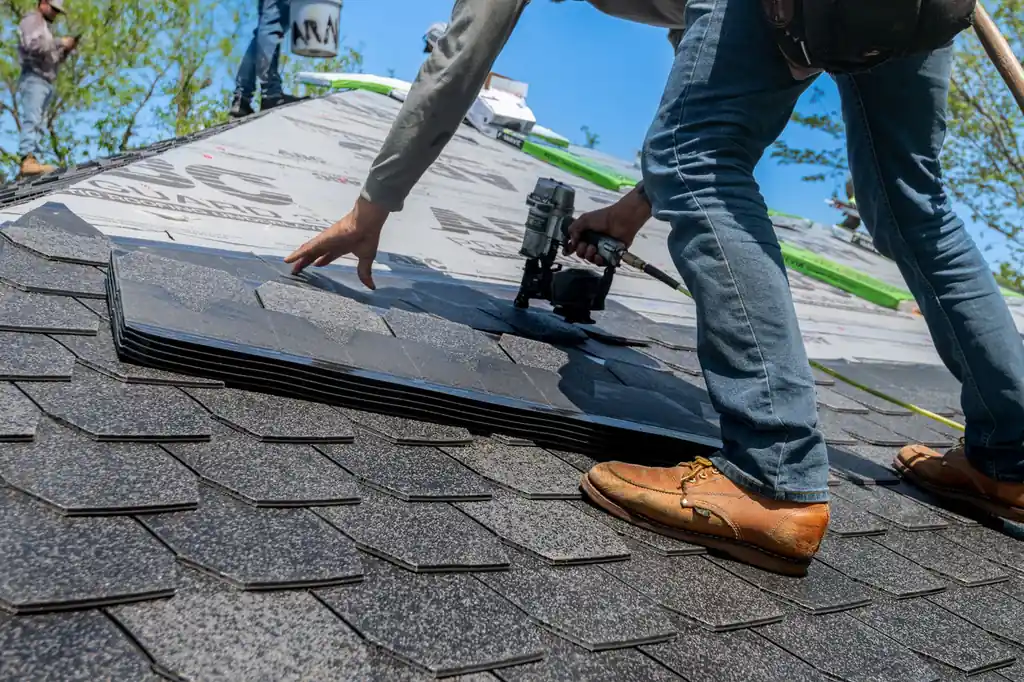
Roof Leak Prevention
Roof Leak Prevention Alameda CA That Stops Water Before It Starts
Roof leak prevention Alameda CA work means finding the weak points on your roof before winter rain does. We inspect flashing, pipe boots, valleys, and underlayment, then seal what is failing. If you own a home or building in Alameda and want roof leak protection in Alameda before the next storm system, we get on the roof, document what we find, and fix it the same visit when the scope allows.
Service overview
What Roof Leak Prevention Alameda CA Actually Involves
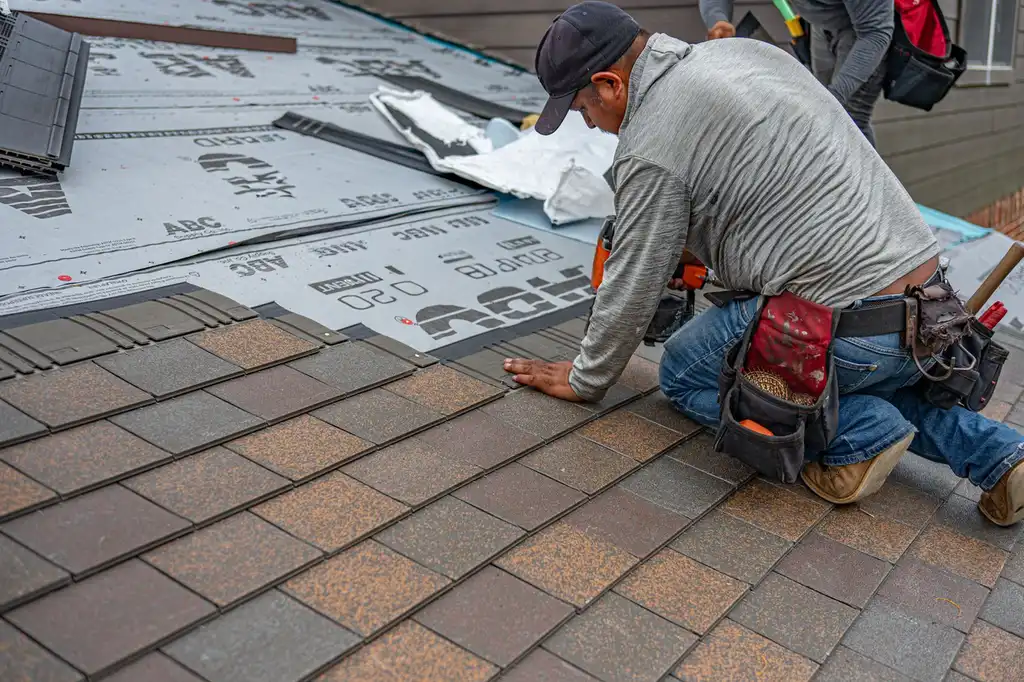
Roof leak prevention Alameda CA is the trade of sealing and reinforcing every place water can get under your roofing material before a leak shows up as a ceiling stain. We start with a full roof inspection, then work the failure points: roof flashing at walls and chimneys, pipe boots and vent collars, valleys, skylight curbs, and gutter edges. Sealant gets applied where it belongs, deteriorated caulk gets cut out and replaced, and loose fasteners get reset. On older Alameda roofs we also check underlayment condition, because ice and water shield that has dried out stops doing its job long before the shingles fail.
Alameda gets its rain in concentrated bursts between November and March, and wind-driven storms push water sideways into seams that stay dry the rest of the year. That pattern is why roof leak prevention in Alameda, California pays for itself: a $400 flashing reseal in fall beats a $3,000 ceiling and insulation repair in January. Homes near the Bay Farm Island and South Shore shoreline also deal with salt air that dries out sealant faster than inland, so those roofs need a closer look each year. If you have been searching for roof leak prevention near me Alameda CA, the answer is a contractor who inspects before the rain, not after.
Practical benefits
Why Alameda Homeowners Schedule Prevention Work
Prevention is the cheap half of roof work. These are the outcomes our Alameda customers care about most, in the order they usually come up on the phone.
Stop Leaks Before Winter
Most Alameda leaks we repair started as a $200 flashing problem in October. Scheduling roof leak prevention Alameda CA before the rainy season means sealant, boots, and flashing are checked while the roof is dry and the work is fast. You avoid the emergency call, the tarp, and the interior drywall bill.
Catch Small Failures Early
A moisture meter and infrared thermal imaging camera find wet underlayment and saturated decking that looks fine from the ground. Catching a soft spot at 2 square feet instead of 20 changes the repair from a patch to a full deck replacement. Early detection is the whole point of a roof leak prevention service Alameda CA homeowners can schedule annually.
Protect Interior Finishes
Ceiling water stains, bubbling paint, and sagging drywall are the visible end of a leak that has been running for months. Sealing roof penetrations and valleys before water reaches the attic keeps your insulation dry and your interior paint intact. That is the practical value of roof leak protection Alameda residents can budget for once a year.
Extend Roof Service Life
A roof that stays dry lasts years longer than one that cycles wet and dry every winter. Resealing pipe boots, resetting fasteners, and clearing gutter and downspout components keeps water moving off the roof instead of sitting in seams. For asphalt shingles, tile, and standing seam metal panels alike, dry is the difference between 15 years and 25.
How service works
How Our Roof Leak Prevention Service Works
Five steps, start to finish. Most prevention visits take two to four hours on a typical Alameda single-family roof, and you get photos of everything we find.
STEP 01
Roof Inspection
We walk the roof with an extension ladder and roof harness, checking shingles or tiles, flashing, valleys, boots, and skylight curbs. A moisture meter and infrared thermal imaging camera confirm whether any decking or underlayment is already wet. On steep or fragile roofs we fly a drone for the high sections. Expect 45 to 90 minutes depending on roof size and pitch.
Tools and methods
Tools and Methods We Use on Alameda Roofs
Infrared thermal imaging camera
Finds wet insulation and saturated decking that looks dry from the surface. It is the fastest way to catch a hidden leak on flat and low-slope roofs before it spreads.
Tramex roof moisture scanner and moisture meter
Confirms moisture readings in underlayment and decking so we know whether a section needs sealing or replacement. Readings get logged in your report.
Drones for roof inspection
Lets us inspect steep, fragile, or high sections safely, including slate and tile roofs where walking causes damage. We fly before we walk when the pitch calls for it.
Hose test sprayer
Confirms sealed areas actually hold water before we leave the property. If a repair fails, it fails on our time, not during the next storm.
Extension ladder and roof harness
Standard fall protection on every roof, along with OSHA 10 and 30 safety practices. Safe access means the inspection is thorough instead of rushed.
Caulking gun and sealant applicator
Applies silicone and polyurethane sealants with proper bead size and surface prep. Correct application is why the seal holds through multiple winters.
Pry bar and flat bar
Cuts out failed caulk and lifts flashing and shingles so the repair is done underneath, not smeared on top. Prep work is most of a lasting seal.
California Building Code (CBC) compliance
Flashing and penetration details are installed to CBC standards, which matters for inspection and for resale. We do not shortcut details that a future buyer's inspector will flag.
Title 24 energy code compliance
When prevention work touches insulation or ventilation, we work to Title 24 requirements. That keeps the roof assembly performing and avoids compliance issues down the line.
Manufacturer warranty specifications
GAF, Owens Corning, CertainTeed, Carlisle SynTec, and Firestone Building Products each specify how their materials get installed. We follow those specs so the material warranty stays valid.
Moisture mapping
We map moisture readings across the roof and compare them to the visible failure points. That is how we separate a surface seal issue from a wet deck that needs more than prevention.
Where this service fits
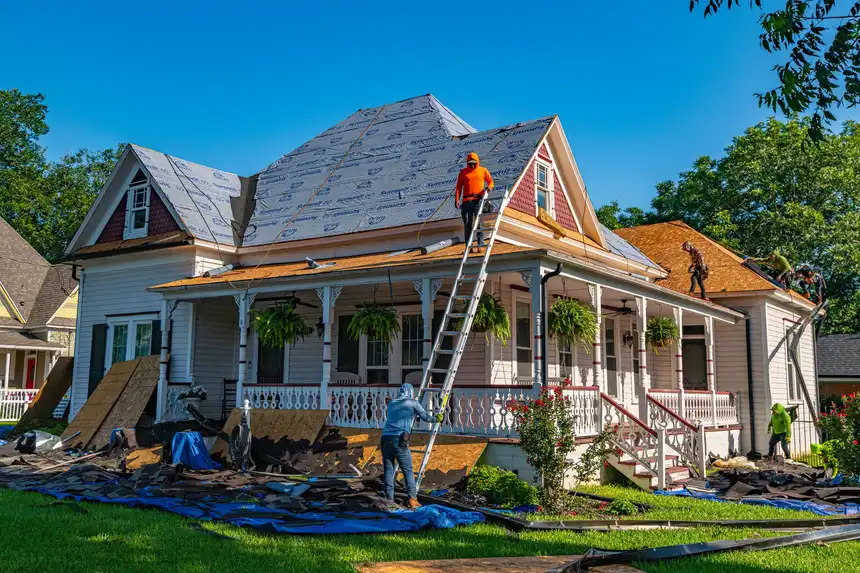
When to Schedule Roof Leak Prevention
Your Alameda home is 15 to 25 years old and has never had a prevention inspection.
We do a full inspection with moisture scanning, then seal the flashing, boots, and valleys that are past their service life. Older roofs fail at the details first, and the details are what we address. You get a documented baseline of the roof's condition and a sealed roof before the next rainy season, plus a clear idea of what to watch next year.
You bought a house in Alameda this year and do not know the roof's history.
A prevention visit gives you a photo report of the whole roof, including anything the seller's inspection missed. We check underlayment condition, flashing, and drainage, and tell you what is urgent versus what can wait. You know exactly what you own and what it needs, instead of finding out during the first storm.
A storm is forecast and you have a ceiling stain from last winter.
We prioritize roofs with known weak points before a forecast storm. If the stain is active, we find the source, seal it, and water test the repair so you are not waiting through the storm. The repair is done before the rain arrives, and you avoid the emergency tarp call and the interior drywall work.
You manage a commercial or multi-family building with a flat roof.
We inspect drains, seams, terminations, and penetrations on TPO, EPDM, and modified bitumen systems, then reseal and clear drainage before the rainy season. Work is scheduled around your tenants and business hours. Fewer emergency calls, no ponding surprises, and a documented maintenance record for the building.
Local execution
How Roof Leak Prevention Runs in Alameda
Alameda roofs live with a specific set of conditions: concentrated winter rain from November through March, salt air near the shoreline, and a housing stock that ranges from 19th-century Victorians to newer Bay Farm Island construction. Salt air dries out sealant faster than inland air, so roofs near the Gold Coast, Bronze Coast, and South Shore shoreline need sealant checked on a 9 to 10 month cycle rather than 12. Older homes often have original chimney flashing details and smaller pipe penetrations that newer boots do not fit, so we carry multiple collar sizes and fabricate flashing where needed. We work to California Building Code standards and keep Title 24 in mind whenever insulation or ventilation is part of the scope. If you want roof leak prevention in Alameda California done before the rainy season, the right window is September through early November, while the roof is dry and the schedule is open. Alameda County permits and inspection requirements are handled as part of the job when the scope requires them.
Gold Coast
Older Victorians with complex roof lines and original chimney flashing details. Prevention here means careful flashing work and boots sized for older pipe diameters.
Bay Farm Island
Newer construction closer to the shoreline, where salt air degrades sealant and skylight curbs faster. We recommend a 9 to 10 month inspection cycle.
Park Street District
Mixed commercial and residential buildings with flat and low-slope roofs. Drain and seam checks before winter are the priority here.
East End
A mix of shingle and tile roofs on family homes. Valley debris and pipe boots are the most common prevention items we find.
Fernside
Mature trees drop debris into valleys and gutters. Clearing drainage and checking valley sealant is part of every prevention visit in this neighborhood.
Salt air near the shoreline
Dries out sealant and rubber boots faster than inland conditions, which shortens the inspection cycle to 9 or 10 months for roofs near the water.
Concentrated winter rain from November to March
Most annual rainfall arrives in a few storm systems, so a single failed flashing detail can let in a season's worth of water in one week.
Wind-driven rain during storms
Pushes water sideways into seams and laps that stay dry in normal rain, which is why we check terminations and laps, not just horizontal surfaces.
Older housing stock with original flashing details
Requires custom flashing fabrication and multiple boot sizes, and makes careful inspection more important than a standard sealant pass.
Problems we solve
Roof Leak Problems We Prevent in Alameda
These are the failures we find most often on Alameda roofs, and the ones that cost the most when they are left until the rain finds them.
Chimney flashing sealant has dried and cracked
We cut out the failed sealant, reset the counterflashing, and reseal the whole detail with polyurethane. Then we water test it. This is the number one prevention item on older Alameda homes. Water runs behind the flashing and shows up as a ceiling stain near the chimney chase. By the time you see it, the decking around the chimney is often wet and the repair grows.
Pipe boots and vent collars cracked from sun exposure
We replace cracked boots with new vent collars sized to the pipe, which is a fast, low-cost fix. We check every penetration on the roof, not just the one you noticed. A split boot lets water straight into the attic along the pipe. It is a small leak that runs for months before it shows on the ceiling, and it soaks insulation the whole time.
Roof valley debris and failed valley sealant
We clear the valleys, check valley metal and sealant condition, and reseal where the valley meets the field. On shingle roofs we confirm the valley weave is intact. Valleys carry the most water on the roof. When debris dams them or the valley sealant fails, water backs up under the shingles and into the decking at the most concentrated point.
Gutter seams and downspouts leaking at the roof edge
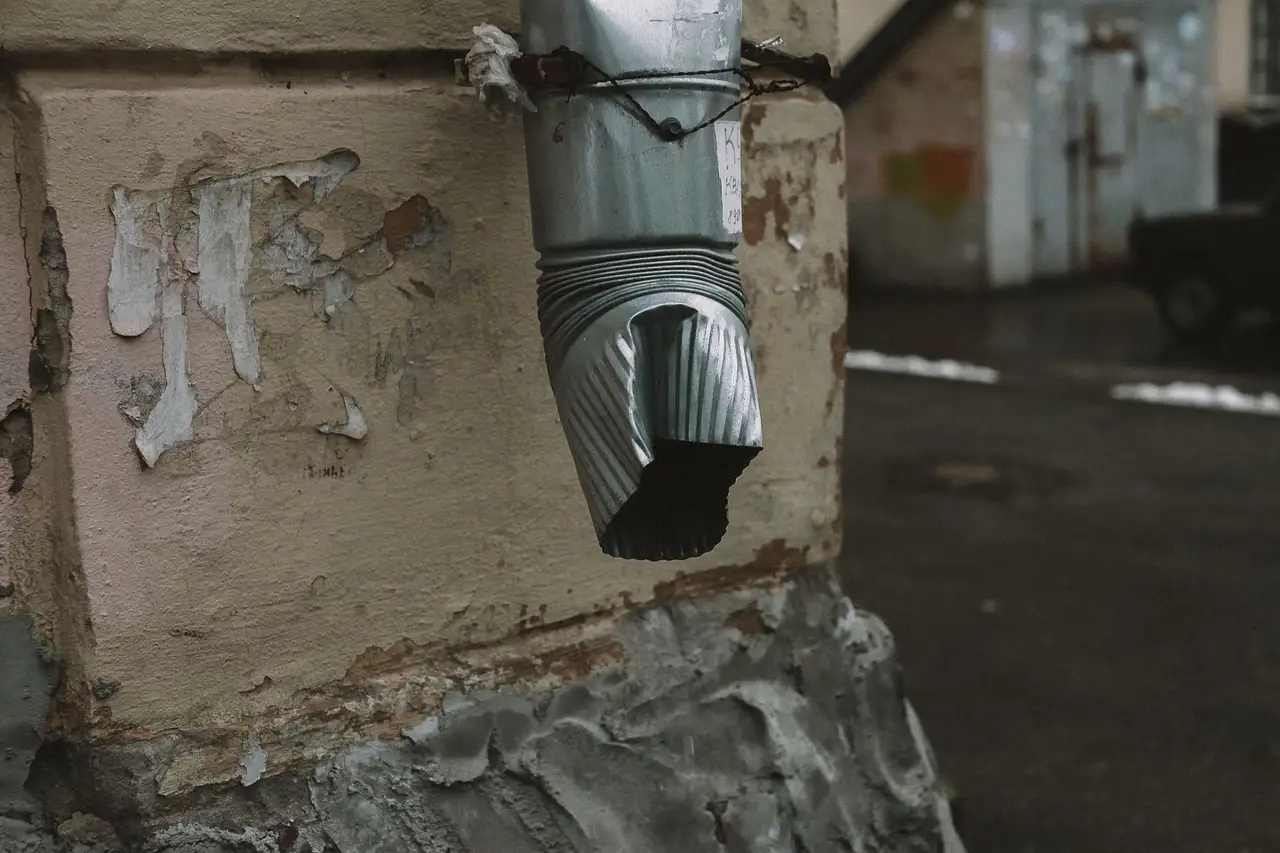
We check gutter sealant, hangers, and slope, reseal open seams, and confirm downspout components discharge away from the foundation. Fascia and soffit get inspected while we are up there. Water that leaks at gutter seams runs down the fascia and soffit, softening wood and eventually reaching the wall. It is easy to miss because it happens outside the attic.
A practical standard for every visit.
Clear planningPrepared arrivalsCareful workLocal follow-through
Experience in the details
Roof Leak Prevention Contractor Alameda You Can Verify
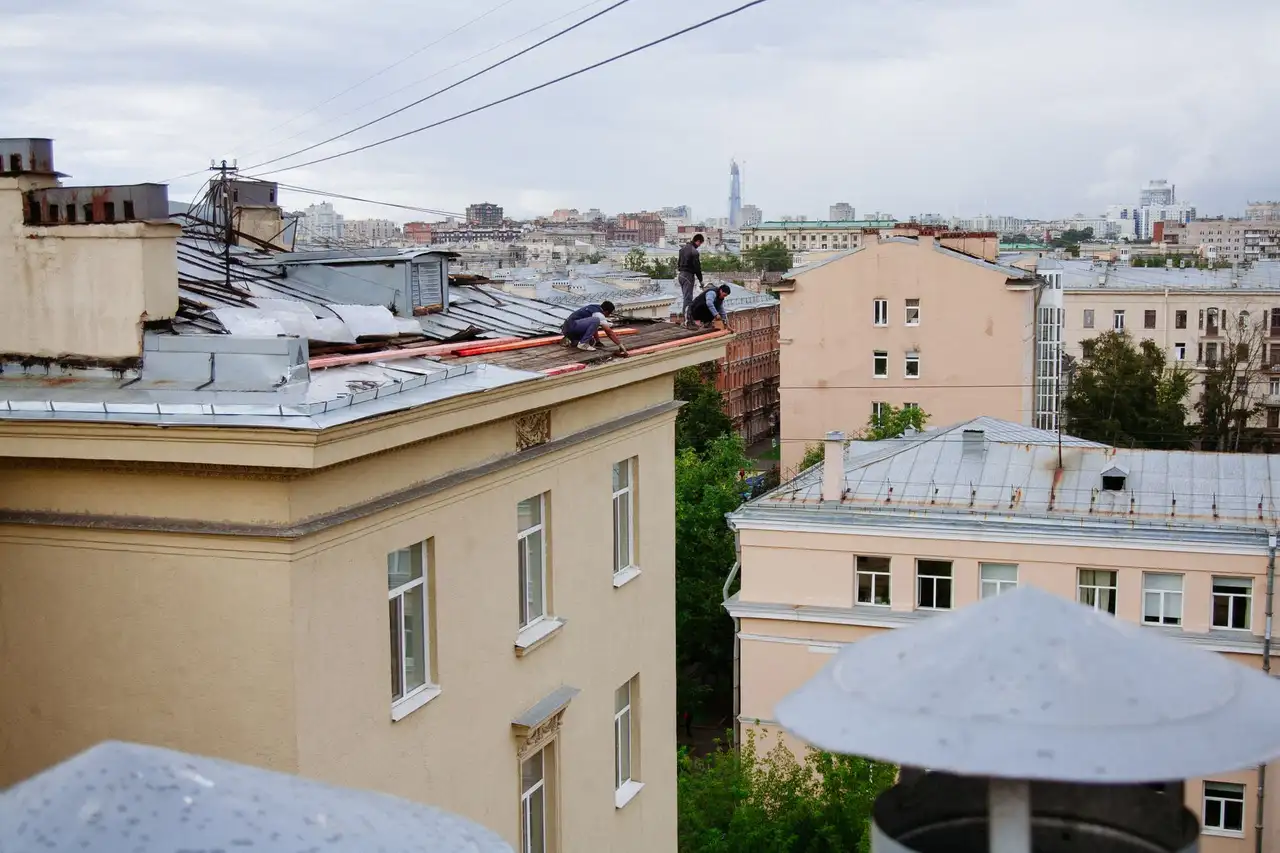
We are a licensed California C-39 roofing contractor working Alameda County roofs, and we hold manufacturer certifications that matter when a warranty claim comes up. Our crews carry OSHA 10 and 30 safety certifications, which is not paperwork theater on a two-story Victorian with a steep pitch. We work to California Building Code standards and Title 24 energy code requirements on every job that touches insulation or ventilation. We have inspected and sealed roofs across Alameda's older housing stock and its newer Bay Farm Island builds, and we know which materials fail first in each.
- California Contractor License C-39 Roofing, active and verifiable through the state board
- GAF Master Elite and Owens Corning Preferred Contractor credentials for warranty-backed materials
- CertainTeed SELECT ShingleMaster certification for shingle system work
- NRCA membership and OSHA 10 and 30 safety certifications on every crew
- Infrared thermal imaging and Tramex roof moisture scanning on every prevention inspection
Where we work
One local team. A lot of ground covered.
Downtown AlamedaWest AlamedaEast EndFernsideBay Farm IslandHarbor BaySouth ShoreMarina VillageBronze CoastGold CoastAlameda PointPark Street District
Check my address Most prevention visits in Alameda run $350 to $900 in 2026, depending on roof size, pitch, and how many failure points need sealing. A basic inspection with minor flashing and boot resealing sits at the low end. Roofs with multiple valleys, skylights, or chimney flashing work land higher. Flat roof coating or membrane work is priced separately. We give you the number before we start, and the inspection fee is credited toward the work if you move forward.
Schedule an inspection every fall before the rain starts, keep gutters and downspouts clear, and reseal flashing and pipe boots before they crack. In Alameda, the two biggest preventable failures are dried-out pipe boot rubber and failed chimney flashing sealant. Both are cheap to fix in October and expensive to fix in February. If you see granules in the gutter or daylight through the roof boards, call before the next storm rather than after.
Yes, when it is done as inspection plus targeted sealing rather than a single tube of caulk smeared on a seam. Our prevention work includes moisture scanning, flashing repair, boot replacement, and a water test, which is why the sealed areas hold through multiple rainy seasons. It does not fix a roof that is already past its service life, and we tell you when that is the case instead of selling prevention work that will not help.
Once every 12 months for most Alameda roofs, and every 9 to 10 months for roofs within a few blocks of the shoreline where salt air dries out sealant faster. Roofs with heavy tree cover or a lot of skylights and penetrations benefit from an annual visit plus a quick post-storm check. If your roof is over 15 years old, we recommend a moisture scan each year so small underlayment failures get caught before they reach the decking.
Keep exploring
Other Roof Services We Handle
Your next step is waiting
Schedule Roof Leak Prevention Alameda CA Before the Rain
The dry weeks in fall are the cheapest time to seal a roof. Call us and we will inspect, photograph what we find, and give you a written scope the same week. Licensed, insured, and working Alameda County roofs year-round.
Start with the basics
call for roof leak repair
Call us any time for an active leak or to schedule an inspection. We answer around the clock for emergencies and can usually get a tech to your door the same day. Tell us what you are seeing and we will take it from there.