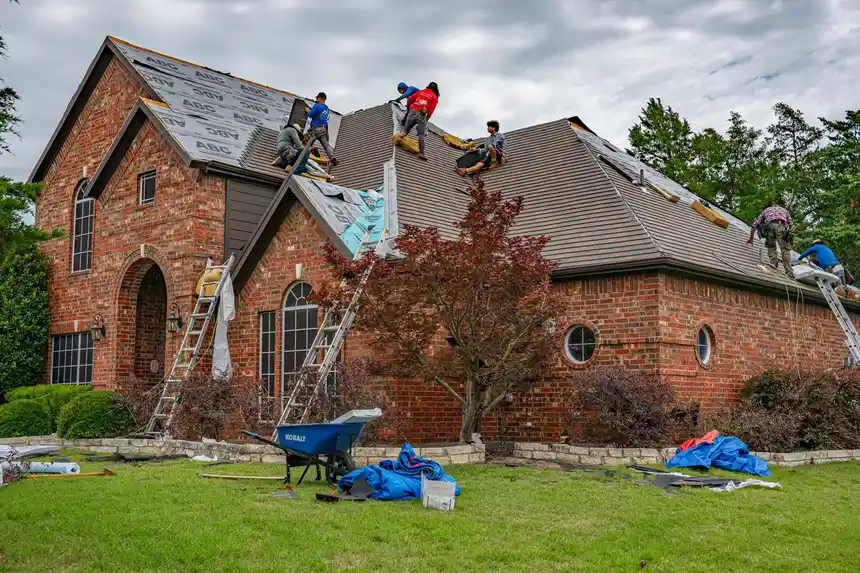
Infrared Roof Leak Detection
Infrared Roof Leak Detection Alameda CA: Find the Leak, Not the Guesswork
Infrared roof leak detection Alameda CA uses thermal imaging to find exactly where water is getting in, even when the stain on your ceiling is ten feet from the actual breach. If you have tried and failed to trace a leak with a hose and a flashlight, our thermal imaging roof leak detection Alameda service gives you a precise answer in a single visit. We scan, confirm with a moisture meter, and hand you a repair plan the same day.
Service overview
What Infrared Roof Leak Detection Alameda CA Actually Does
Infrared roof leak detection Alameda CA is a non-invasive diagnostic service that uses a thermal imaging camera to read temperature differences across your roof deck and find where water has saturated the assembly. Wet insulation and trapped moisture hold heat differently than dry material, so the camera shows us a clear thermal signature of the leak path. We confirm every hot spot with a Tramex roof moisture scanner and a pin-type moisture meter before we recommend a single repair.
Alameda roofs take a specific beating. Marine air off the Bay, wind-driven rain in winter, and decades-old shingle and tile assemblies on Fernside and the Gold Coast mean leaks rarely announce themselves where the damage shows up inside. Homeowners call us after a ceiling stain appears in a hallway nowhere near the actual breach. That is exactly the scenario where thermal imaging roof leak detection in Alameda saves money, because we stop opening the wrong part of the roof and start repairing the right one.
Practical benefits
Why Alameda Homeowners Choose Thermal Scanning
A leak you cannot find is a leak that keeps costing you. These are the four outcomes our customers care about most when they book an infrared scan.
No Destructive Tearing
We scan from the roof surface and from inside the attic, so we do not pull shingles or cut drywall to find the source. On a typical 1,800-square-foot Alameda bungalow, the scan takes 60 to 90 minutes and leaves the roof exactly as we found it. You get the answer without paying twice for the diagnosis and the repair.
Pinpoint Accuracy
A thermal camera reads temperature differences as small as 0.1 degrees Fahrenheit, which is enough to separate a wet roof valley from a dry one right next to it. We mark the exact leak point with chalk and photograph it for your records. That precision is why infrared roof leak detection near me Alameda searches keep landing on thermal scans instead of hose tests.
Same-Day Answers
Most infrared scans are completed and explained in one visit. You get a written summary with photos, the confirmed leak location, and a repair scope before we leave the driveway. No waiting three days for a callback while a ceiling stain grows. If the leak is active, we can often tarp or seal the same day.
Catches Hidden Moisture
Water travels along rafters, underlayment, and flashing before it ever drips. Thermal imaging finds saturated insulation and wet decking that a visual inspection misses entirely. Catching that moisture early prevents rot, mold, and the far more expensive deck replacement that follows a leak left alone for two winters.
How service works
What to Expect During Your Scan
Every infrared roof leak detection service Alameda CA call follows the same five steps, whether it is a shingle roof in East End or a flat TPO membrane on a commercial building near Marina Village.
STEP 01
Phone Intake
We ask where the stain is, when it appears, and what the roof is made of. That five-minute call tells us whether to bring the drone, the extension ladder, or both. You get a clear arrival window, usually within 24 hours and same-day for active leaks.
Tools and methods
Tools and Methods We Use
Infrared thermal imaging camera
Reads temperature differences across the roof deck and attic to reveal trapped moisture and wet insulation. This is the primary diagnostic tool on every scan.
Tramex roof moisture scanner
Confirms thermal anomalies with a non-invasive capacitance reading. It separates real moisture from shadows and thin insulation.
Pin-type moisture meter
Takes direct readings in decking, insulation, and framing to confirm the extent of saturation at each leak point.
Drones for roof inspection
Survey steep, fragile, or multi-story roofs that are unsafe to walk, capturing thermal and standard images from above.
Extension ladder and roof harness
Safe access to roof surfaces and attic spaces, with fall protection that meets OSHA standards.
Hose test sprayer
Controlled water testing to reproduce an active leak and confirm the repair after the fix.
Thermal differential scanning
We scan during the temperature swing when the roof is warming or cooling, because that is when wet and dry materials separate most clearly on camera. Timing the scan correctly is what makes the thermal signature readable.
Two-sided inspection
We scan from the roof surface and from inside the attic. A leak that is invisible from above often shows clearly on the attic side of the deck, and vice versa. The two views together confirm the leak path.
Moisture confirmation protocol
No thermal hot spot is reported as a leak until a moisture meter confirms it. This protocol keeps the report honest and prevents unnecessary repairs based on a camera artifact.
Code-correct repair
Repairs that follow the scan are performed to California Building Code standards, with flashing details and underlayment installed the way the manufacturer and the code require.
Where this service fits
When to Book an Infrared Roof Scan
You are buying a home in Alameda and the seller's disclosure mentions a past leak.
We run a pre-purchase thermal scan to confirm whether the leak was properly repaired or whether moisture is still trapped in the assembly. The report gives you negotiating leverage and a real repair number. You know what you are buying before you close, and you avoid inheriting a hidden repair bill.
A ceiling stain appeared after the first winter rain and you cannot find the source.
We scan the roof and attic, confirm the leak with a moisture meter, and repair the failed component, often the same day. If the leak is active, we tarp it first. The stain stops growing, the repair is targeted, and you avoid opening drywall to hunt for the source.
You manage a commercial flat roof and the property owner wants a condition report.
We scan the membrane, map the wet zones, and deliver a written report with thermal images and a prioritized repair list. The report supports budgeting and insurance claims. Ownership gets a clear picture of roof condition and a repair plan that targets the wet areas instead of a full replacement.
Your roof was replaced or repaired recently and the leak came back.
A thermal scan shows whether the original repair missed the source or whether a new failure has developed. We document the findings so you have leverage with the original installer if the work was defective. You get an independent diagnosis and a repair that addresses the actual cause, not the symptom.
Local execution
How Infrared Scanning Works on Alameda Roofs
Alameda is an island, and its roofs pay for it. Marine air and fog keep the roof deck cool and damp for much of the year, and winter storms drive rain sideways into flashing and penetrations. The building stock adds its own challenges: Victorian and Craftsman homes near the Park Street District often carry original cedar shake or multiple layers of shingles, while mid-century homes on Bay Farm Island have low-slope sections that pond water. Clay tile roofs on the Gold Coast hide leaks under the tile field, and commercial TPO and EPDM membranes near Marina Village and Alameda Point fail at seams and drains. When you book affordable infrared roof leak detection in Alameda, we time the scan to the temperature swing and use a drone where the roof pitch or tile fragility makes walking risky. Our technicians work to California Building Code standards and hold C-39 licensing, so the repair that follows the scan is code-correct. We serve ZIP codes 94501 and 94502 and the full Alameda County area.
Fernside
Many Fernside homes have mature trees that drop debris into valleys and gutters, which backs water up under shingles. Thermal scans often find valley saturation here.
Gold Coast
Clay and concrete tile roofs hide leaks under the tile field. We scan from above and below and lift only the tiles over the confirmed breach.
Bay Farm Island
Low-slope and flat roof sections pond water in winter. Infrared scanning maps the saturated zones so repairs target the wet area.
Marina Village
Commercial TPO and EPDM flat roofs leak at seams and drains. We scan the membrane and deliver a report ownership can budget from.
East End
Older shingle roofs with multiple layers trap moisture between courses. Thermal imaging reads the saturation that a visual inspection misses.
Marine fog and cool roof decks
Persistent damp keeps the roof assembly cool, which can mask the thermal signature. We time scans to the warming part of the day so wet and dry areas separate clearly.
Winter wind-driven rain
Sideways rain pushes water behind flashing and under shingles in ways a hose test cannot reproduce. Post-storm thermal scans catch the intrusion before it spreads.
Aging multi-layer shingle roofs
Layered shingles trap moisture between courses and hide the leak source. Thermal imaging reads the saturation below the surface so we do not pull the wrong section.
Fragile tile and slate roofs
Walking these roofs causes damage. We use drones and attic-side scanning to find the leak without disturbing the tile or slate field.
Problems we solve
Leaks We Find Without Damaging Your Roof
Most of the calls we get are for leaks that have already defeated a hose test or a visual inspection. Here are the problems our thermal scans solve most often on Alameda roofs, and what happens if they are left alone.
Ceiling stains with no visible roof damage
We scan the roof and attic side to trace the moisture path back to the source, then confirm it with a moisture meter. You get the exact leak location instead of a guess, and we repair the failed component. Water travels along rafters and underlayment before it drips, so the stain is rarely below the breach. Left alone, the moisture rots decking and insulation and can reach the drywall ceiling.
Chimney flashing leaks that reappear after patching
The thermal scan shows how far the moisture has spread around the chimney. We rebuild the step and counter-flashing to code with proper metal and sealant, not another bead of caulk. Surface caulk over a failed step flashing traps water behind the seal and accelerates rot at the chimney chase. Repeat patching is money spent on a problem that keeps returning.
Flat roof ponding and drain leaks
Infrared scanning maps the saturated zones under the membrane so we repair the wet area and the drain detail. We do not coat over trapped moisture, which would only trap it further. Standing water finds every seam and penetration. On TPO and EPDM roofs, a small seam failure can saturate a large section of insulation before a drip appears inside.
Skylight leaks mistaken for roof field leaks
Thermal imaging separates the skylight curb from the surrounding roof. We confirm which component failed and repair the right one, whether that is the skylight seal or the flashing around it. Homeowners often pay for shingle repairs that do not fix the leak because the skylight curb is the real source. The leak continues and the skylight seal degrades further.
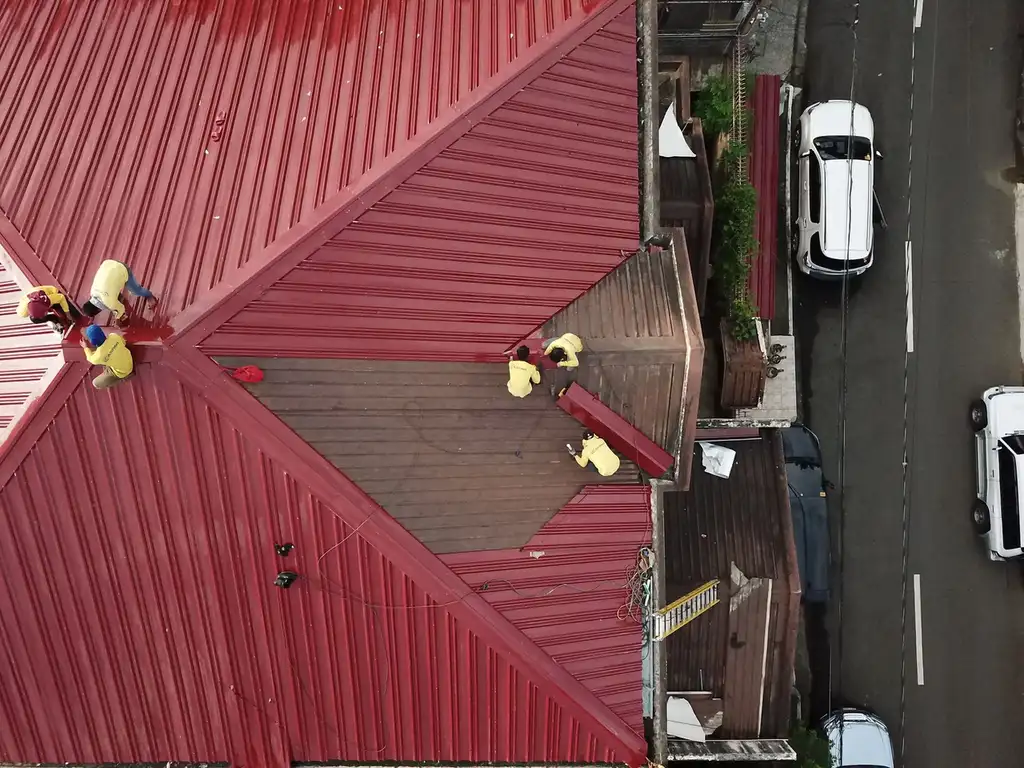
A practical standard for every visit.
Clear planningPrepared arrivalsCareful workLocal follow-through
Experience in the details
Thermal Diagnostics Backed by Roofing Experience
Reading a thermal image is only half the job. The other half is knowing what you are looking at on an Alameda roof, where clay tile, cedar shake, and low-slope modified bitumen all fail in different ways. Our technicians hold California Contractor License (C-39 Roofing) credentials, carry OSHA 10 and 30 safety certifications, and work to California Building Code (CBC) standards on every repair. We are a GAF Master Elite contractor and an Owens Corning Preferred Contractor, which means manufacturer-backed warranties on the repairs that follow the scan. We scan, we confirm, and we fix, all under one licensed roof.
- Licensed C-39 roofing contractor operating to California Building Code standards
- GAF Master Elite and Owens Corning Preferred Contractor credentials
- OSHA 10 and 30 certified crews for safe roof and attic access
- Thermal scans confirmed with Tramex moisture scanners, never guesswork
- Drone surveys for steep or fragile roofs that are unsafe to walk
Where we work
One local team. A lot of ground covered.
Downtown AlamedaWest AlamedaEast EndFernsideBay Farm IslandHarbor BaySouth ShoreMarina VillageBronze CoastGold CoastAlameda PointPark Street District
Check my address Most residential infrared scans in Alameda run $250 to $550 in 2026, depending on roof size, pitch, and whether we need drone access. Commercial flat roofs and multi-story buildings run higher. The fee covers the thermal scan, moisture confirmation, and a written findings report. If you proceed with the repair through us, we credit a portion of the scan toward the work, so the diagnosis effectively pays for itself.
Wet roofing materials hold heat differently than dry ones, so an infrared camera sees saturated decking and insulation as a distinct temperature signature. We scan the roof surface and the attic side, then confirm each hot spot with a Tramex moisture scanner. On a typical Alameda shingle or tile roof, the full scan takes 45 to 90 minutes and pinpoints the leak within a few inches.
Yes. Hidden leaks are exactly what thermal imaging is built for. Water that travels along rafters, under flashing, or through a failed ice and water shield underlayment leaves a moisture trail the camera can see even when the ceiling below looks dry. We routinely find leaks on Alameda roofs where the stain is 8 to 12 feet from the actual breach, which is why a scan beats opening drywall and hoping.
Plan on 60 to 90 minutes for a standard single-family home and two to four hours for a large commercial flat roof. The scan itself is quick; the moisture confirmation and findings walkthrough are what take time. We schedule most scans within 24 hours of your call and same-day when a leak is actively dripping. You get the written report before we leave.
Keep exploring
Related Roofing Services
Your next step is waiting
Book Infrared Roof Leak Detection Alameda CA Today
Stop guessing where the water is coming from. Call Alameda Roof Leak Repair Pros at +1 510-521-7543 and we will schedule a thermal scan, confirm the leak with a moisture meter, and give you a repair plan the same day. Licensed, insured, and serving all of Alameda County.
Start with the basics
call for roof leak repair
Call us any time for an active leak or to schedule an inspection. We answer around the clock for emergencies and can usually get a tech to your door the same day. Tell us what you are seeing and we will take it from there.